Yes, You Can Do That at COCC
Sept. 8, 2026
From planetary health to Swedish massage to product design, unique learning options abound at COCC — with fall term starting Sept. 21
Camping out with his class at Oregon’s Beverly Beach State Park, just north of Newport,
geology instructor Hal DeShow of Central Oregon Community College talks about implications
far beneath the sand.
“The Oregon Coast is literally rising — we can measure that,” he explains, referring
to the plate-collision phenomenon of the Cascadia Subduction Zone. “Eventually it’s
going to snap, and that’s the earthquake.”
Experts estimate an earthquake as severe as 9.0+ magnitude is possible. A tsunami
would follow — up to 100 feet high — triggering many landslides. The significant and
inevitable event will affect many Oregonians, and though estimates vary on when the
Cascadia event could occur, the Oregon Office of Emergency Management says there’s
a 37% chance that a 7.1+ magnitude earthquake could trigger within 50 years.
The lesson is part of an outdoor-based COCC summer course called “Field Geology: Exploration
of the Pacific Northwest.”
“From what I understand as a geologist,” DeShow says, “it’s going to alter our lives
more than any single event will in this century, assuming it happens in this century.”
And, of course, it’s simply fascinating science to contemplate while standing high
above the fault: with the Juan de Fuca tectonic plate slowly nosing beneath the North
American plate along the entire West Coast, from northern California to southern British
Columbia.
While those sandy shores might be almost 200 miles from Central Oregon, the experience
reflects COCC’s broader approach: to provide an academic catalog that exposes students to diverse, even unexpected, learning experiences.
The college offers, for instance, credit courses in specialized studies like inking
Chinese characters. And Swedish relaxation massage. And — be ready to roll! — the
martial art of Ki Aikido. Biodiversity and climate change are central topics in “Introduction
to Human and Planetary Health,” part of COCC’s growing sustainability curriculum,
where students trace the intricate connections between human health and the environment.
Unique coursework is offered across all four campuses. This fall term, the catalog
includes Shakespeare at the Prineville campus, with a survey of the major plays that
define the bard’s middle and later periods. In Madras, travel memoirs and feature
films are the focus of “Pop Culture: Travel Literature.” Contemplating historical
and contemporary designs that make an impact, “Introduction to Product Design,” held
in Redmond, incorporates sustainable practices, materials and even the psychology
of design.
Plenty of diverse studies are available online as well — totaling 191 courses for
fall term — including “Introduction to World Music,” which provides an overview of
instruments and music within societies across the globe, and a criminal justice class
called “Terrorism Emergency Management.”
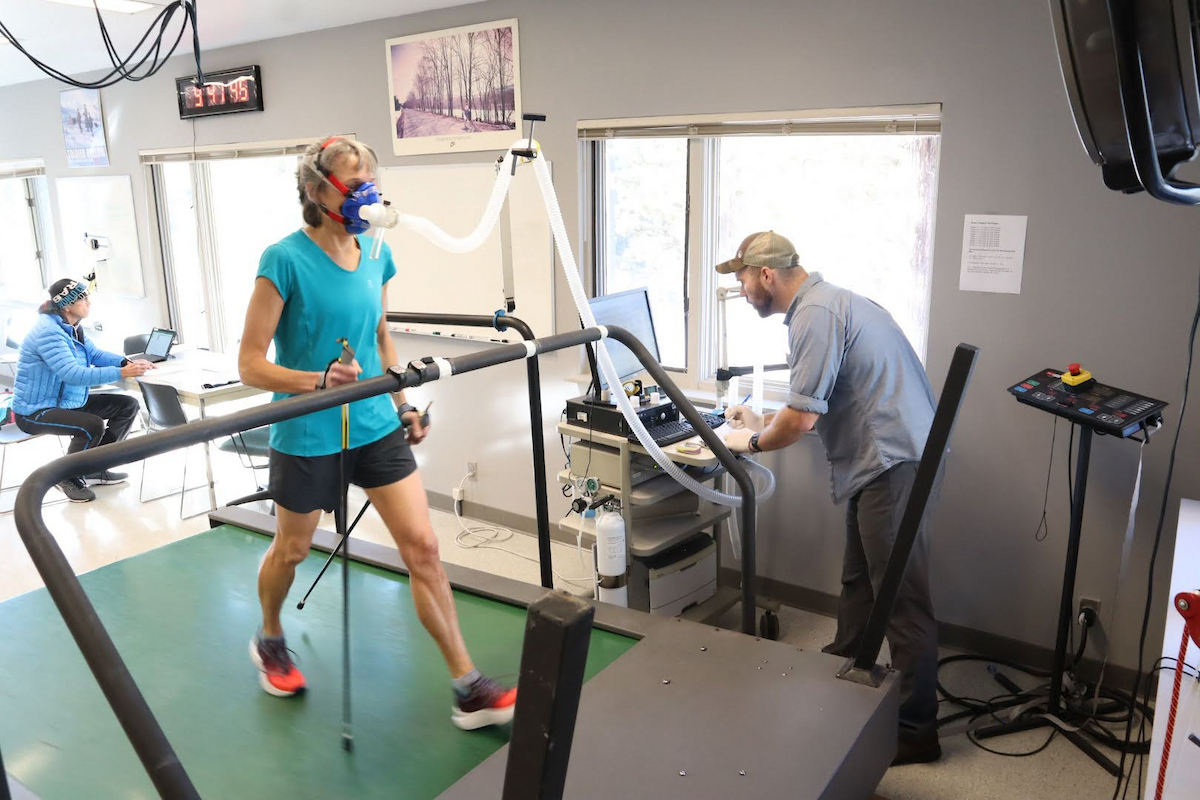
Specialized learning resources can complement specialty studies. At the Physiology
Lab on the Bend campus, resembling a small shingled ski cabin, students learn about
fitness evaluations and sport-specific V02 max, body composition, lactate analysis and general aerobic fitness.
“You’re going to gain lab experience and exposure that will put you well ahead,” says
JT Strang, COCC’s exercise physiologist, of those bound for a bachelor’s degree. The
facility’s equipment includes the “Bod Pod,” a sit-inside body composition device
that uses air displacement and conjures the egg-like spaceship from the ‘80s classic
“Mork & Mindy.” The lab serves a diverse community clientele, from amateur athletes to professional
competitors.
Yes, you can do that — and much more — at COCC. See what moves you. COCC’s fall term
starts Sept. 21, with a Sept. 11 admissions deadline. Visit cocc.edu or call 541-383-7700 to learn more.
By Mark Russell Johnson, COCC Staff Writer